
A healthy smile can make everyday conversations more comfortable, but keeping teeth in good condition involves much more than their appearance. From routine cleaning to repairing damaged teeth, modern dentistry offers different ways to protect oral health and improve confidence.
BrassSmile is a name that appears across online discussions about dental care, cosmetic treatments, and digital smile assessment. However, the name is used by different websites and does not identify one universally recognized dental treatment.
Understanding the available options makes it easier to separate useful dental advice from promotional claims. Whether someone wants brighter teeth, straighter alignment, or a solution for missing teeth, the right approach begins with understanding their oral health.
What Is BrassSmile?
BrassSmile is a term associated with several websites discussing smile care, dental treatments, and oral health information. Some present it as an educational resource, while others describe digital tools for evaluating smile appearance.
It is important to understand that BrassSmile is not an officially recognized dental procedure or a single established clinical system. Different websites using similar names may offer entirely different information or services.
The dental topics commonly associated with the name include preventive care, teeth whitening, orthodontics, dental restoration, and smile design. These are established areas of dentistry, although their availability under any particular brand must be checked separately.
For readers interested in improving their smile, the most useful starting point is learning how these treatments work and when professional dental care may be necessary.
Why Oral Health Deserves Daily Attention
Oral health affects eating, speaking, comfort, and general well-being. Teeth and gums experience constant exposure to food particles, bacteria, and acids, making regular cleaning an important part of everyday life.
Plaque develops naturally on tooth surfaces. When it is not removed properly, it can contribute to tooth decay, gum inflammation, and unpleasant breath. Over time, untreated problems may require more extensive dental treatment.
Healthy gums are equally important. Bleeding during brushing, persistent swelling, and tenderness can be early signs of gum disease. These symptoms should not be ignored, even when there is little pain.
Daily oral care helps reduce preventable problems and supports the longevity of existing dental work. Small habits, practiced consistently, often make a greater difference than occasional attempts to improve tooth appearance.
Main Areas of Modern Dental Care
Modern dentistry covers several areas, each addressing different concerns. Some treatments focus on preventing disease, while others restore damaged teeth or improve their appearance.
The main areas include:
- Preventive dentistry: Routine examinations, professional cleaning, fluoride treatments, and cavity prevention.
- Cosmetic dentistry: Whitening, veneers, bonding, and procedures intended to improve smile appearance.
- Restorative dentistry: Fillings, crowns, bridges, and other treatments used to repair or replace teeth.
- Orthodontics: Braces and aligners that help correct tooth positioning and certain bite problems.
- Periodontal care: Diagnosis and treatment of conditions affecting the gums and supporting structures.
- Dental implant treatment: Replacement of missing teeth using surgically placed implants and suitable restorations.
These areas often overlap. Someone seeking cosmetic improvement may first need treatment for decay or gum inflammation.
A complete dental examination helps identify which problems need attention before elective procedures begin.
BrassSmile Preventive Dentistry
Preventive dentistry focuses on keeping teeth and gums healthy before significant problems develop. It is one of the most important subjects associated with discussions of BrassSmile and long-term dental care.
Routine dental appointments allow dentists to examine teeth, evaluate gum health, and identify changes that may not be noticeable at home.
Professional cleaning can remove hardened plaque, known as tartar, that ordinary brushing cannot eliminate. Depending on individual needs, a dentist may also recommend fluoride applications or protective sealants.
Preventive care generally includes:
- Regular dental examinations based on individual risk.
- Professional cleaning when clinically appropriate.
- Brushing with fluoride toothpaste.
- Cleaning between teeth every day.
- Limiting frequent sugary snacks and drinks.
- Addressing tooth sensitivity or gum bleeding early.
Not everyone needs appointments at identical intervals. People with gum disease, frequent cavities, or particular medical conditions may require more frequent monitoring.
Prevention can reduce the likelihood of complex procedures, although it cannot eliminate every dental problem.
Cosmetic Dentistry and Smile Improvement
Cosmetic dentistry focuses on improving visible features of the teeth and smile. Common concerns include discoloration, uneven tooth edges, small gaps, chipped teeth, and differences in tooth shape.
A cosmetic consultation usually begins with an examination of the teeth and gums. Dentists may discuss the patient’s goals, evaluate their bite, and explain which changes are realistically achievable.
Some people need only a minor adjustment, such as repairing a chipped edge. Others may consider a combination of orthodontic treatment, whitening, or restorations.
The most suitable treatment depends on tooth structure, oral health, personal preferences, and budget.
A natural-looking result should also preserve function. Cosmetic changes that compromise healthy tooth structure or create bite problems may lead to complications later.
Professional Teeth Whitening
Teeth can become stained through regular exposure to coffee, tea, tobacco, and strongly colored foods. Aging and changes within the tooth can also influence its appearance.
Professional whitening uses bleaching agents to lighten certain types of discoloration. Dentists may provide in-office treatment or supervised home whitening systems.
Before whitening, the dentist should check for cavities, gum problems, exposed roots, and existing restorations.
The results vary depending on the cause of discoloration and the original tooth shade. Natural teeth may respond differently from crowns, veneers, and fillings, which generally do not change color with conventional whitening products.
Temporary sensitivity and gum irritation are possible side effects. Following professional instructions helps reduce unnecessary exposure.
Whitening can improve tooth color, but it cannot repair damaged enamel, straighten teeth, or treat underlying dental disease.
Veneers, Bonding, and Smile Design
Veneers and dental bonding are common options for improving the appearance of visible teeth. Although both can address cosmetic concerns, they involve different materials and procedures.
Dental veneers are thin coverings, commonly made from porcelain or composite resin, that are attached to the front surfaces of teeth. They may help change tooth shape, color, or the appearance of minor spacing irregularities.
Some veneer procedures require removal of natural enamel. This makes careful planning important because certain treatments are irreversible.
Dental bonding uses tooth-colored composite resin to repair small chips, close selected gaps, or reshape uneven edges.
Bonding often requires less tooth preparation than conventional porcelain veneers. However, composite materials can stain, chip, or wear over time.
Smile design involves evaluating how the teeth relate to facial features, gum contours, and overall proportions.
Digital photographs and planning software may help patients understand proposed changes before treatment. These previews are useful for communication but cannot guarantee an identical final result.
Braces and Clear Aligners
Orthodontic treatment helps correct tooth alignment and certain bite problems. Properly positioned teeth may be easier to clean, while suitable bite correction can improve function.
Traditional braces use brackets and wires to move teeth gradually. They remain useful for many types of orthodontic problems, including complex cases.
Clear aligners use removable plastic trays designed to move teeth through a planned sequence. They are popular among people who prefer a less noticeable appearance.
The choice depends on the complexity of the case, patient cooperation, and professional assessment.
Clear aligners generally require consistent daily wear. Removing them too frequently can delay progress or interfere with the planned tooth movements.
After orthodontic treatment, retainers are usually necessary to help maintain the new alignment. Without retention, teeth can gradually shift.
BrassSmile Treatments for Damaged Teeth
Dental damage can develop through cavities, injuries, grinding, or long-term wear. Discussions of BrassSmile and restorative dentistry often include the treatments used to recover tooth function and appearance.
The appropriate procedure depends on how much healthy tooth structure remains and whether the inner tissues are affected.
Dental fillings repair cavities and certain small defects. Tooth-colored composite materials are commonly used because they can blend with surrounding teeth.
Dental crowns cover a prepared tooth and may be recommended when substantial structure has been lost or additional protection is required.
Root canal treatment may be necessary when the pulp inside a tooth becomes inflamed or infected and the tooth can still be preserved.
For minor cosmetic damage, bonding may provide a simpler option. More extensive fractures require careful evaluation before selecting a restoration.
Early treatment can sometimes prevent further deterioration. Persistent tooth pain, swelling, or sensitivity should be assessed rather than managed through cosmetic solutions alone.
BrassSmile Implants and Missing Teeth
Missing teeth can affect chewing, speech, bite stability, and the appearance of a smile. Replacement options depend on the number of missing teeth, the condition of surrounding structures, and personal circumstances.
Dental implants are one established option. An implant is placed into the jawbone and may support a crown, bridge, or denture after suitable healing.
Implant treatment requires evaluation of bone support, gum health, medical history, and other risk factors.
Not every patient is an appropriate candidate. Certain health conditions, active periodontal disease, and inadequate bone support may require additional assessment or treatment.
Other replacement options include:
- Dental bridges: Fixed restorations supported by neighboring teeth or implants.
- Partial dentures: Removable appliances replacing selected missing teeth.
- Complete dentures: Appliances used when all teeth in an arch are missing.
Each option has different maintenance needs, costs, and clinical considerations.
Implants can provide long-term function, but they still require careful cleaning and regular professional monitoring. They are not immune to inflammation or complications.
Gum Health and Modern Dental Technology
Healthy gums provide essential support for the teeth. When plaque accumulates around the gumline, inflammation may develop.
Gingivitis is an early form of gum disease that commonly causes redness, swelling, or bleeding. With appropriate care, it is often reversible.
Periodontitis is a more serious condition involving damage to the supporting tissues and bone. Without treatment, it may contribute to tooth mobility and tooth loss.
Modern dental practices use different technologies to assess oral conditions and plan treatment.
Digital X-rays can help identify problems that are not visible during a routine examination. Intraoral scanners can capture detailed impressions without traditional molding materials in many cases.
Three-dimensional imaging may be useful for selected procedures, including implant planning and certain complex assessments.
These technologies support clinical decisions, but their value depends on appropriate use and professional interpretation.
Choosing the Right Treatment
Selecting a dental treatment should begin with identifying the actual problem rather than choosing a procedure based only on photographs or advertising.
Someone with stained but otherwise healthy teeth may benefit from whitening. A person with crowded teeth may require orthodontic treatment, while damaged or missing teeth may need restorative care.
A dentist should explain the available options, expected benefits, possible complications, and suitable alternatives.
Before proceeding, patients should consider:
- Whether the treatment addresses the underlying concern.
- How much natural tooth structure must be altered.
- The expected maintenance requirements.
- Possible sensitivity, discomfort, or complications.
- The total cost, including follow-up care.
- Whether the results are reversible or permanent.
For extensive cosmetic or restorative work, seeking another qualified professional opinion can be worthwhile.
The most appropriate treatment is not necessarily the most expensive or visually dramatic one. Preserving oral health should remain the priority.
Daily Habits That Protect Results
Dental treatments require ongoing care to maintain their appearance and function. Even high-quality restorations can develop problems when oral hygiene is neglected.
Brushing twice daily with fluoride toothpaste helps remove plaque and reduce cavity risk. Cleaning between teeth is also important because toothbrush bristles cannot adequately reach every contact surface.
Frequent consumption of sugary drinks and snacks increases exposure to acids produced by oral bacteria. Reducing these exposures helps protect enamel.
People who grind their teeth may benefit from a professionally recommended night guard, particularly when they have restorations vulnerable to excessive force.
Other useful habits include drinking water regularly, avoiding tobacco, and attending dental appointments according to individual needs.
Whitening results may fade, composite bonding may require polishing or repair, and orthodontic patients must continue wearing retainers as instructed.
Consistent maintenance helps protect the time and money invested in dental treatment.
How AI Smile Analysis Works
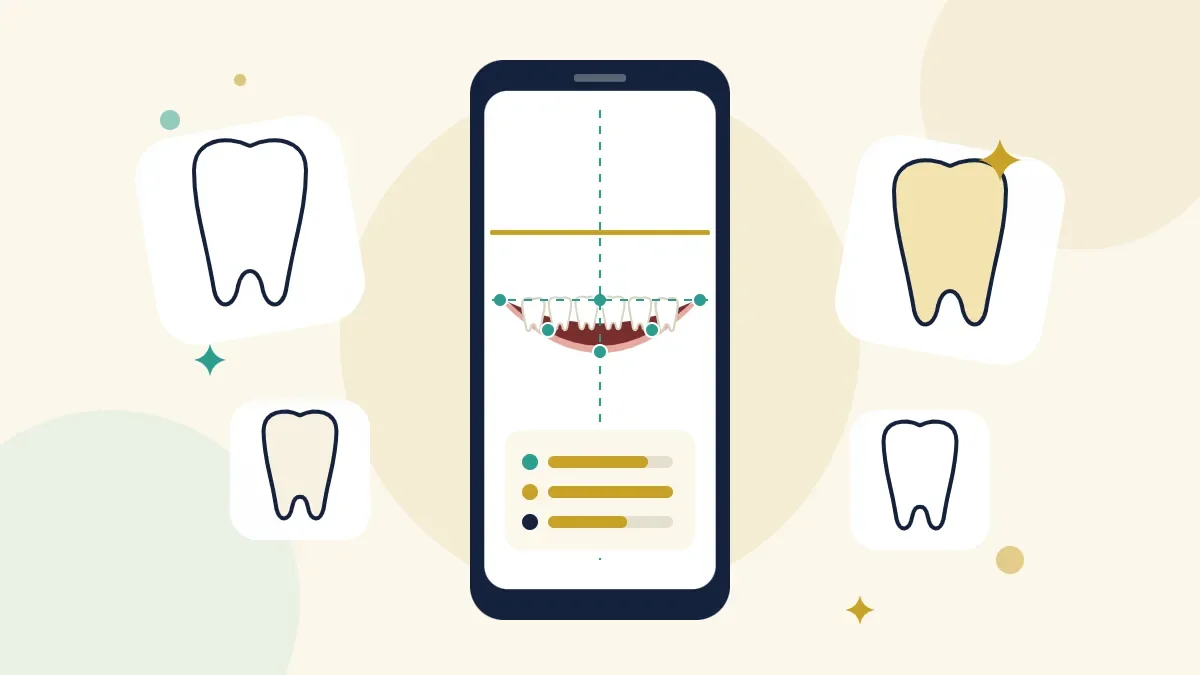
AI smile analysis uses computer software to examine photographs or digital images of a person’s smile. Some systems identify visible features such as tooth outlines, spacing, symmetry, and apparent color differences.
The process generally begins when a user uploads a smile photograph or a dental professional captures an image using a suitable device.
The software then evaluates visible patterns and may produce measurements, visual overlays, or a simulated cosmetic result.
For example, a smile preview might illustrate how teeth could appear after whitening or alignment changes.
However, image-based analysis has important limitations. Lighting, camera angles, shadows, and image quality can affect results.
A photograph cannot reliably establish whether a person has cavities, periodontal disease, infections, or other conditions requiring clinical examination.
AI-generated previews should therefore be treated as visual planning aids rather than diagnoses or promises of treatment outcomes.
Benefits and Limitations of Digital Smile Planning
Digital smile planning can improve communication between patients and dental professionals. Instead of relying entirely on verbal explanations, patients may be able to view a proposed cosmetic change.
Photographs, scans, and computer-generated previews can help explain tooth proportions, alignment concerns, and possible treatment directions.
Digital planning may also support collaboration between dentists, orthodontists, and dental laboratories.
However, a simulation cannot fully predict how teeth and gums will respond to treatment. Biological healing, tooth movement, material limitations, and patient-specific conditions all influence outcomes.
Patients should also consider privacy before uploading facial photographs to online assessment tools.
A trustworthy platform should clearly explain how images are stored, whether they are shared, and how users can request deletion.
Common Mistakes to Avoid When Improving Your Smile
People sometimes begin cosmetic treatment without addressing existing oral health problems. Whitening or veneers may seem appealing, but untreated decay and gum inflammation can interfere with successful results.
Another mistake is assuming that every cosmetic procedure produces permanent changes without maintenance.
Some treatments require periodic replacement, adjustments, or professional cleaning.
Excessive use of whitening products can also contribute to sensitivity and irritation. Using stronger products more frequently does not necessarily produce better or safer results.
Online smile assessments present another concern. A digital preview may look convincing, but it cannot replace a complete examination.
The best approach is to establish realistic goals, understand treatment limitations, and choose qualified dental professionals.
Frequently Asked Questions
What is BrassSmile used for?
BrassSmile is a name used by different websites discussing dental care, smile improvement, and digital smile assessment. It is not one standardized clinical procedure.
How long does professional teeth whitening last?
Results vary according to diet, smoking habits, oral hygiene, and the whitening method. Some people maintain their results for months or longer, while others notice staining sooner.
Are clear aligners better than traditional braces?
Neither option is best for every patient. Clear aligners can be suitable for many alignment concerns, while fixed braces may offer advantages in certain complex cases.
Can AI smile analysis detect dental problems?
Some software can highlight visible features, but a photo-based assessment cannot reliably diagnose dental disease. A professional examination remains necessary.
How can I maintain healthy teeth after cosmetic treatment?
Brush with fluoride toothpaste, clean between teeth daily, follow treatment-specific instructions, and attend recommended dental appointments.oral health recommendations
Final Thoughts
BrassSmile is a name connected with different online discussions about dental care, cosmetic improvements, and digital smile assessment. Understanding what each website actually provides is important because the name does not represent one recognized dental procedure.
Modern dentistry offers established solutions for discoloration, alignment concerns, damaged teeth, missing teeth, and gum problems. The best results come from selecting treatments based on individual oral health rather than appearance alone.
Daily hygiene, appropriate professional care, and realistic expectations remain the foundation of a healthy smile. Digital planning tools can provide useful visual guidance, but qualified dental assessment is essential when making treatment decisions.